Henrik Russell · 15 October 2026
Adaptive Monitoring Frameworks Enhancing Visibility for Independent Online Portfolios Through Custom Alert Integration
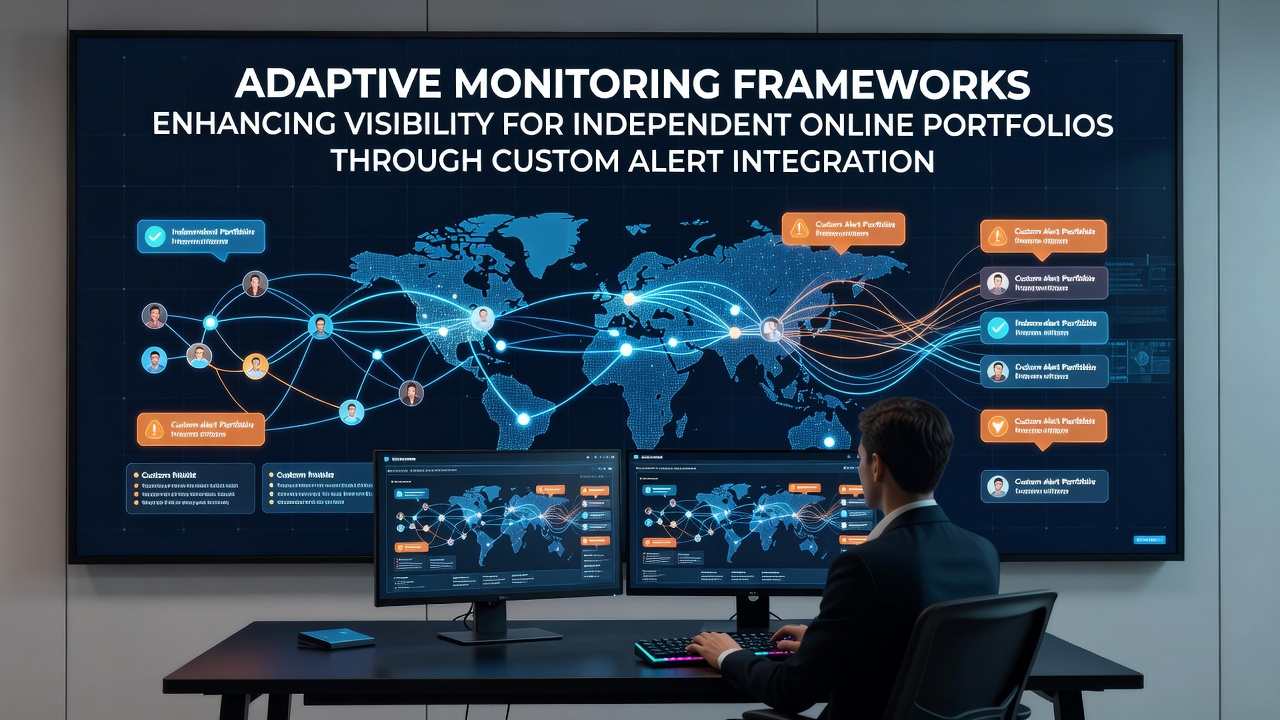
Independent online portfolios operate across multiple platforms where performance metrics shift constantly, and adaptive monitoring frameworks address this by adjusting data collection parameters based on incoming signals rather than relying on fixed schedules. These systems integrate custom alerts that trigger notifications when thresholds for traffic patterns, content indexing, or resource allocation change beyond predefined limits, which allows portfolio operators to respond before visibility drops accumulate.
Core Components of Adaptive Monitoring Frameworks
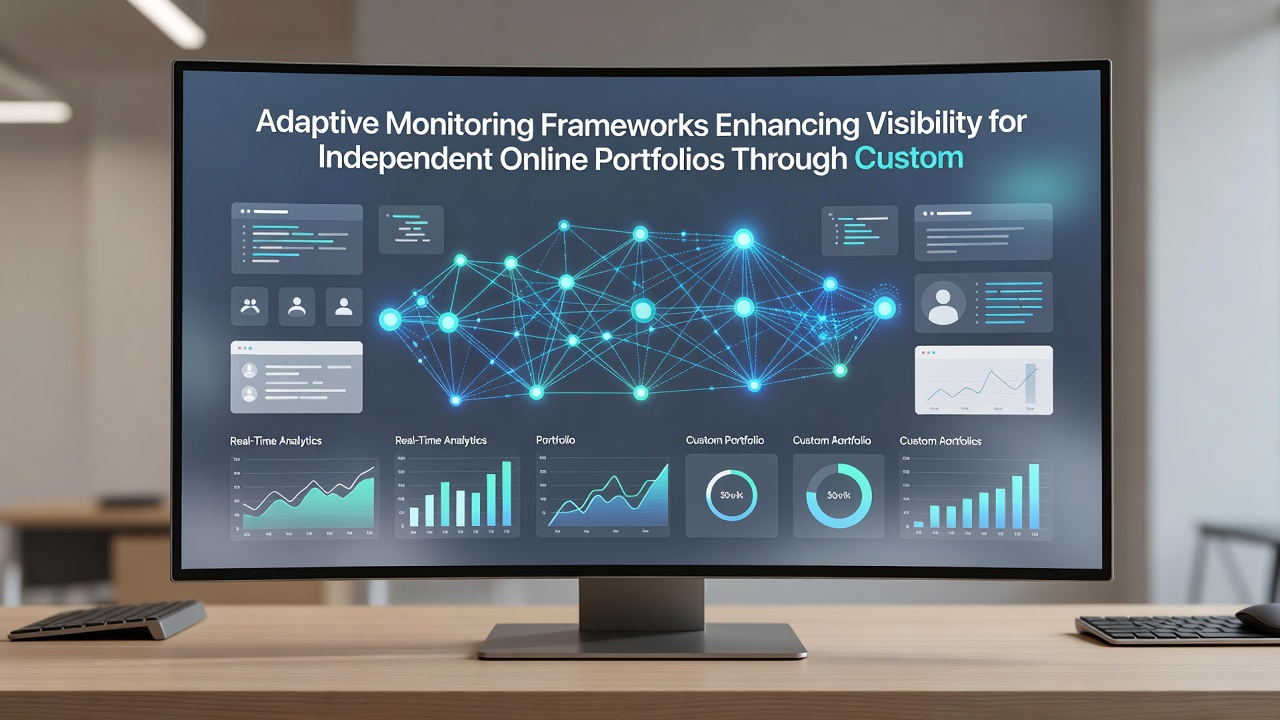
Adaptive monitoring frameworks consist of sensor modules that gather performance indicators, decision engines that analyze trends in real time, and alert layers that translate findings into actionable notifications. Researchers at various institutions have documented how these components interact through feedback loops where initial data inputs refine subsequent collection intervals, and studies from the OECD digital economy reports indicate that such loops reduce monitoring latency by up to 40 percent in distributed web environments. Custom alert integration occurs when operators define rules that combine multiple variables, such as page load times paired with search ranking fluctuations, so that a single deviation does not generate noise while combined signals prompt immediate review.
Visibility Enhancement Mechanisms
Visibility for independent portfolios depends on consistent indexing by search engines and steady referral traffic from external sources, and adaptive frameworks improve detection of indexing gaps by monitoring crawl frequency data alongside user engagement metrics. When an alert activates because crawl intervals lengthen unexpectedly, operators can examine server logs or content freshness issues without waiting for periodic reports. Data from academic analyses of web infrastructure shows that portfolios using these frameworks experience faster identification of broken external links or meta tag inconsistencies, which in turn supports sustained appearance in search results pages. In October 2026, aggregated figures from multiple digital infrastructure surveys revealed that sites equipped with custom alert systems recorded average visibility retention rates 25 percent higher than those depending on manual checks alone.
Implementation Patterns Observed Across Independent Ventures
Portfolio operators typically begin by mapping key performance indicators to specific alert conditions, then refine those conditions as historical data accumulates within the framework. One documented approach involves layering alerts so that low-priority notifications cover routine fluctuations while high-priority ones activate only when multiple indicators align, such as simultaneous drops in referral quality and indexing speed. Industry reports from Statistics Canada on small-scale digital operations highlight that ventures adopting this layered method reduced response times to visibility threats from days to hours. Integration with existing analytics platforms occurs through API connections that feed custom rules directly into the monitoring engine, allowing operators to maintain oversight without duplicating data streams across separate tools.
Technical Considerations for Custom Alert Design
Effective custom alerts require precise threshold calibration because overly sensitive settings generate excessive notifications that obscure genuine issues, whereas lenient settings delay detection of emerging problems. Engineers have noted that incorporating machine learning elements into alert logic enables the framework to adjust baselines dynamically as seasonal traffic patterns or content updates alter normal ranges. According to research published through the National Institute of Standards and Technology on adaptive systems, frameworks that recalibrate thresholds weekly maintain higher accuracy in environments where portfolio content changes frequently. Network latency and data storage costs also factor into design choices, since continuous monitoring streams must balance completeness against resource consumption for solo operators managing limited infrastructure budgets.
Conclusion
Adaptive monitoring frameworks combined with custom alert integration provide structured methods for maintaining visibility across independent online portfolios by converting raw performance data into timely, context-aware notifications. The mechanisms rely on interconnected components that evolve with observed patterns, and evidence from multiple regional studies confirms measurable improvements in detection speed and retention metrics. As portfolio ecosystems continue to diversify through 2026 and beyond, these frameworks represent established tools that support consistent oversight without requiring constant manual intervention.